Horagolla National Park
I’ve visited quite a few national parks in Sri Lanka, but Horagolla National Park is one of those places that feels completely different from the rest. It’s not about dramatic safaris or big game sightings –it’s quieter, more intimate, and feels like a small but incredibly rich pocket of forest tucked away from everything else.
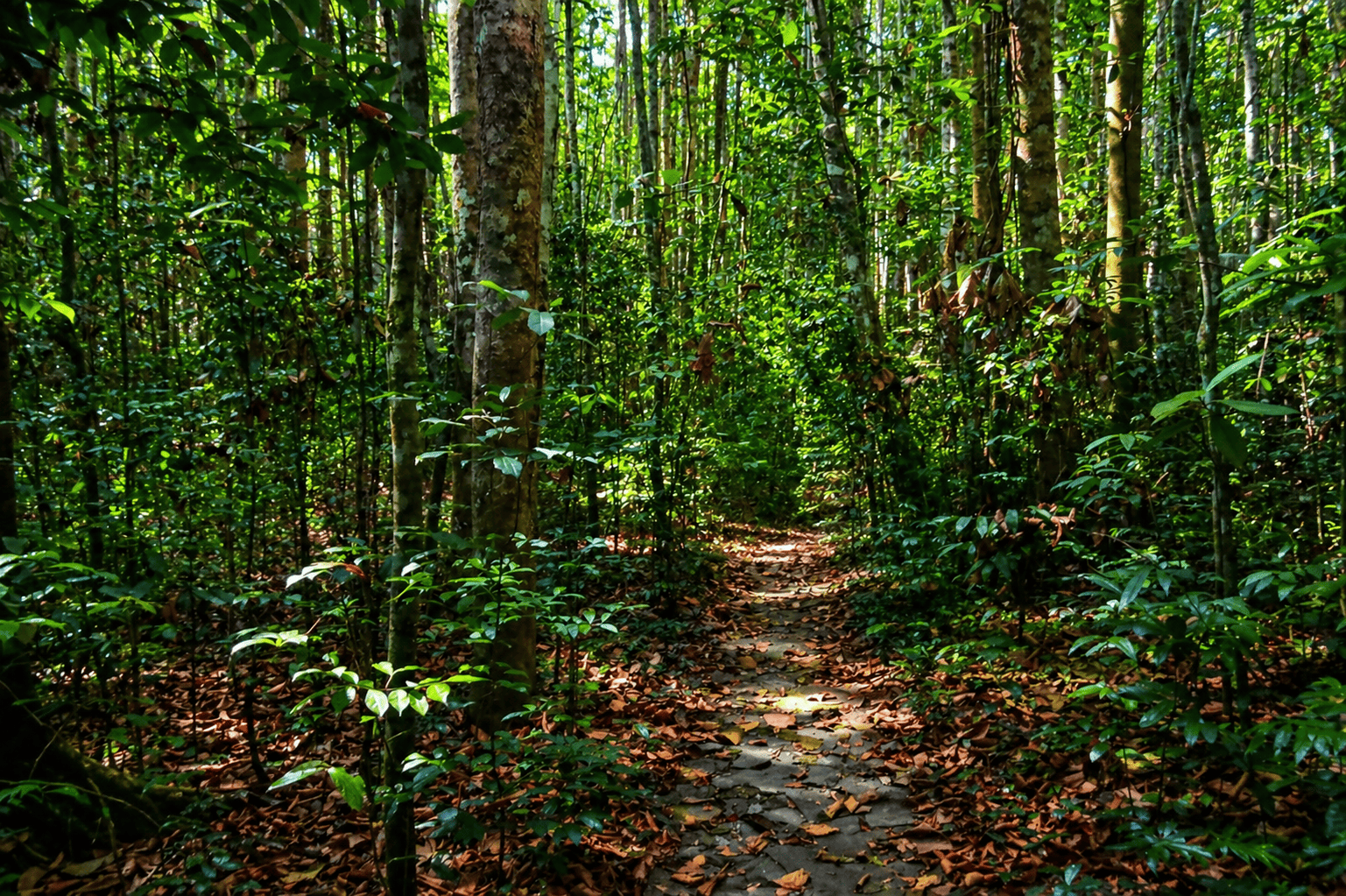
Located near Nittambuwa, Horagolla is actually the smallest national park in the country, covering just around 13 hectares. But what it lacks in size, it more than makes up for in biodiversity. This is a lowland evergreen forest, dense and humid, with towering hora trees and thick undergrowth that create a shaded, almost enclosed atmosphere.
What I love most about this place is how undisturbed it feels. There’s no rush here – no long safari routes or crowds of vehicles. Instead, you walk through quiet forest trails where every sound stands out. The crunch of leaves, distant bird calls, and the occasional movement in the trees – it all feels subtle, but deeply immersive.
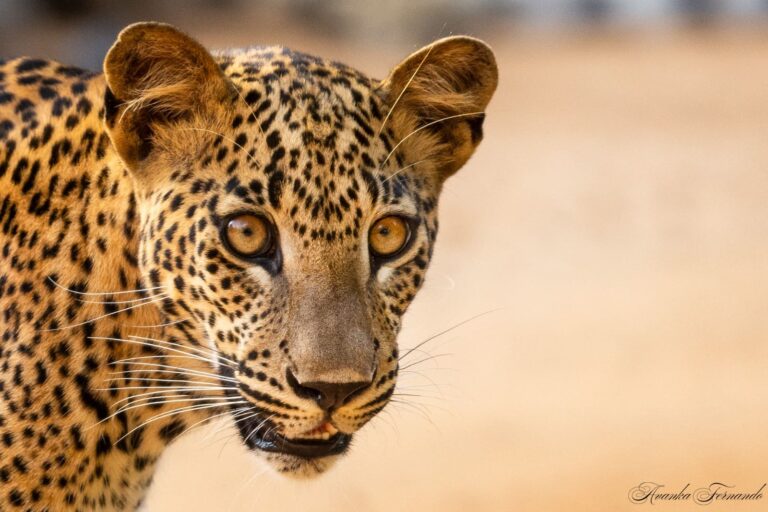
Wildlife here isn’t always obvious, but it’s definitely present if you slow down. The park is home to a surprising range of mammals including fishing cats, golden jackals, grizzled giant squirrels, and even the elusive mouse deer.
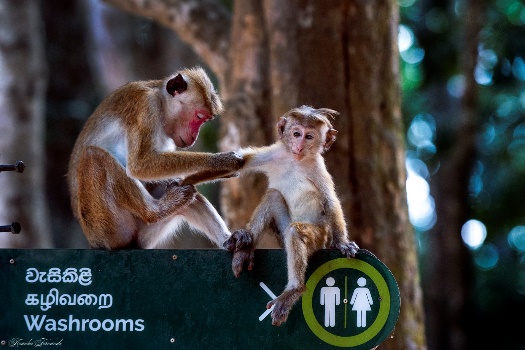
You’ll also come across toque macaques and purple-faced langurs moving through the canopy, while reptiles like water monitors, pythons, and even cobras inhabit the forest floor and wetlands.
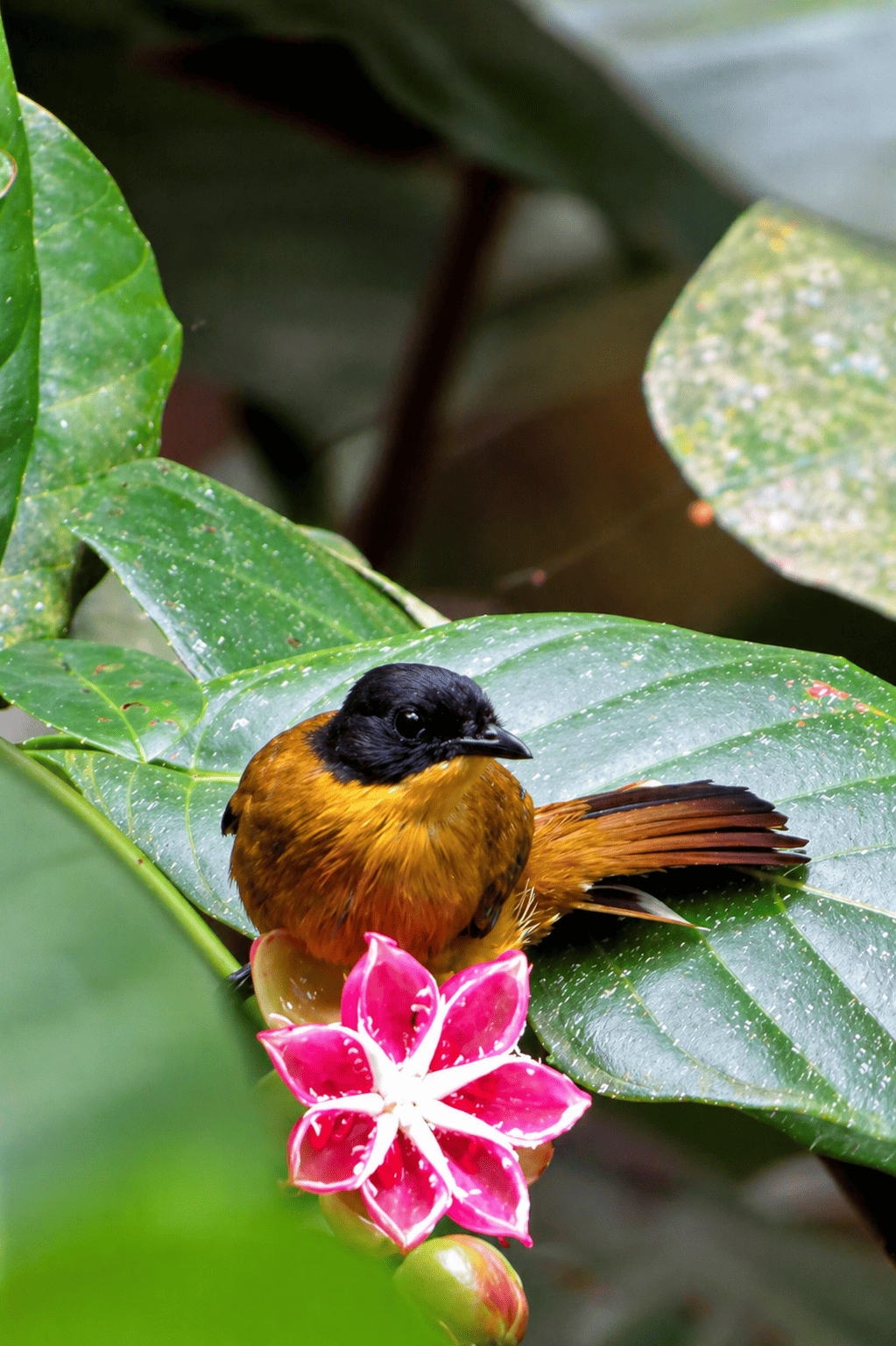
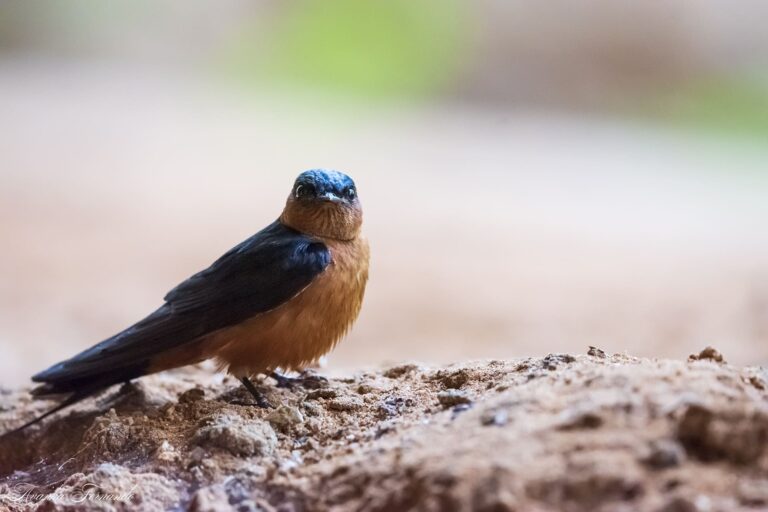
But what really makes Horagolla special – especially for me – is the birdlife. For such a small park, it’s incredibly rich, with around 60–70 species recorded.
Because of its wet zone forest habitat, you get a really nice mix of endemic and lowland forest birds. You’ll often hear the call of the Sri Lanka Grey Hornbill echoing through the trees, while the Sri Lanka Hanging Parrot darts quickly through the canopy. The Layard’s Parakeet is another endemic highlight if you’re lucky enough to spot one.
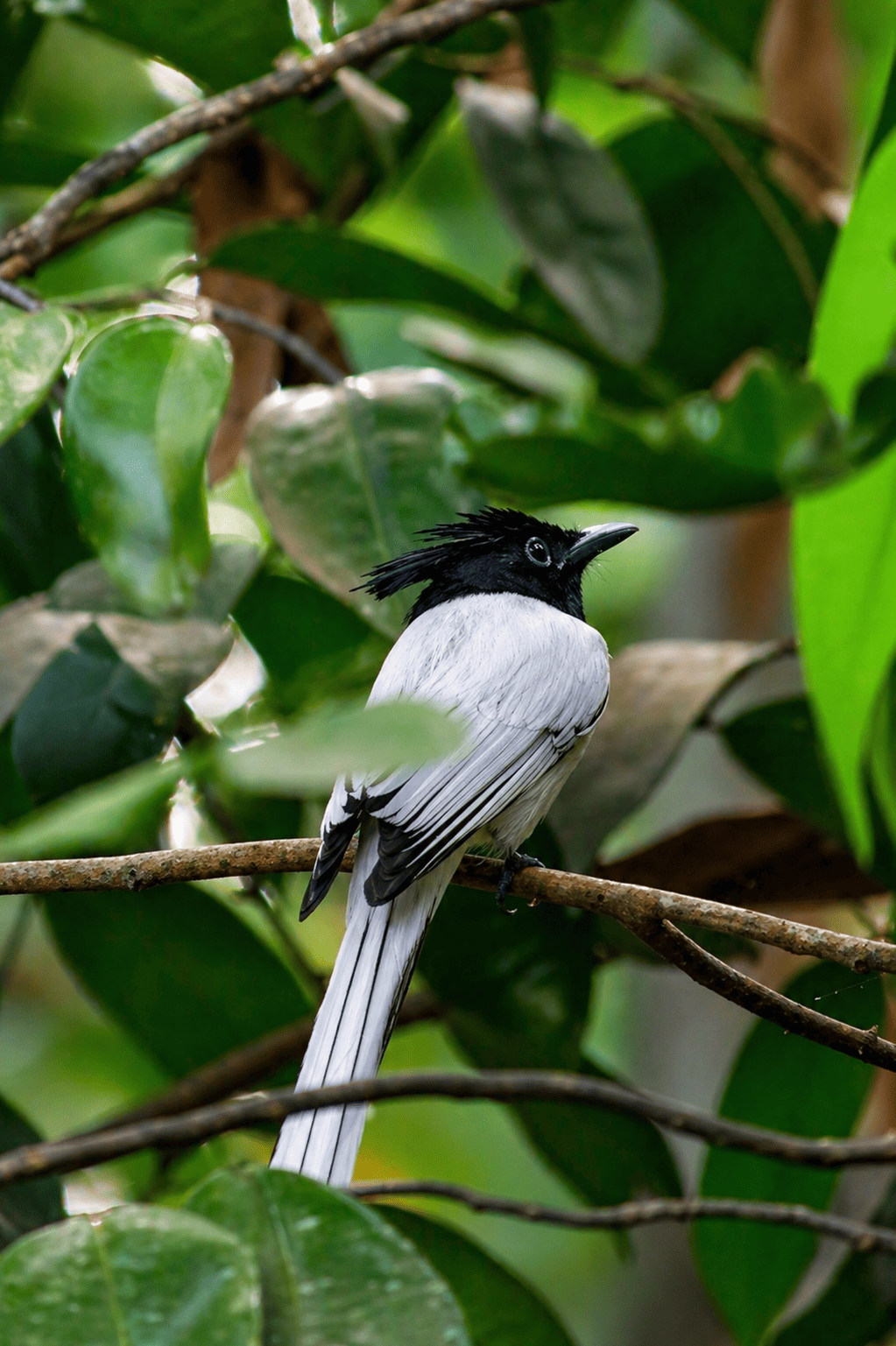
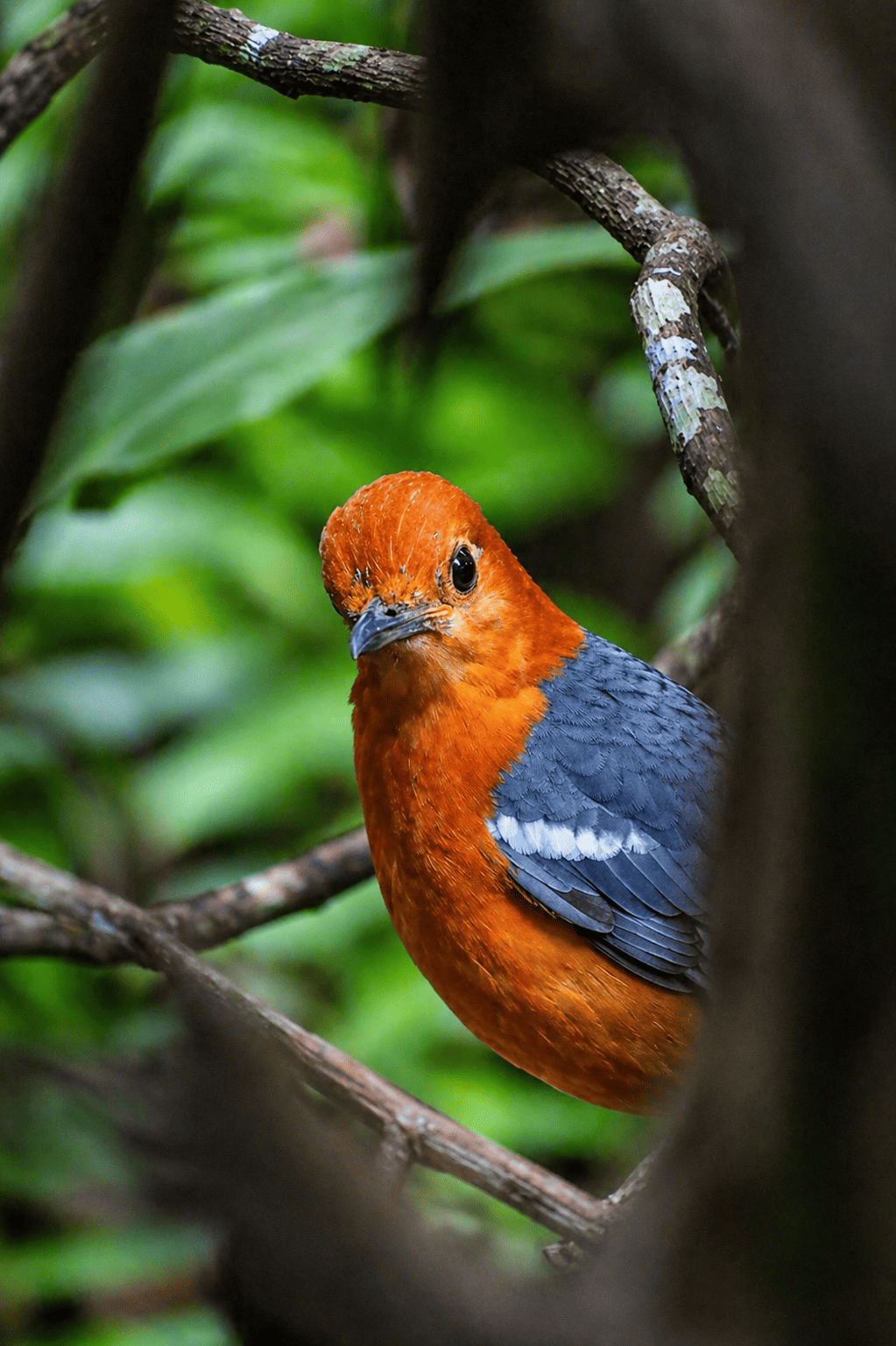
Along the shaded trails, you’ll notice a constant movement of smaller birds – barbets, bulbuls, and Asian koels are among the most commonly seen.
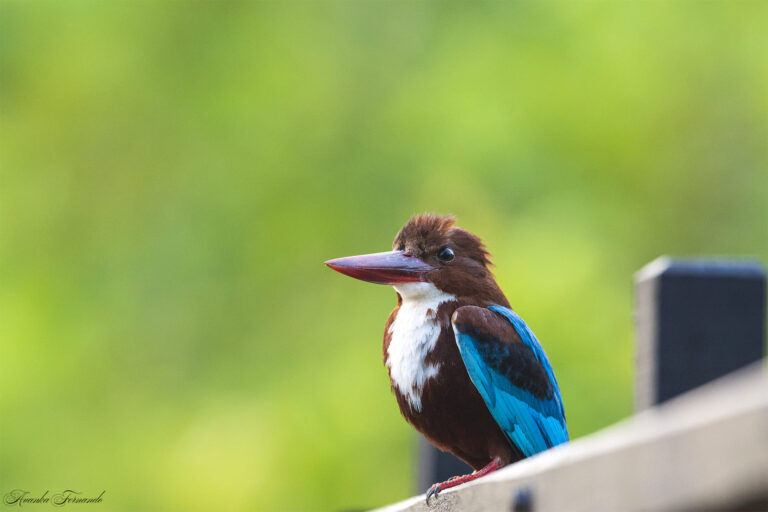
If you’re patient, you might even catch a glimpse of more elusive species like the Oriental Dwarf Kingfisher near water sources, or the soft presence of emerald doves and babblers moving quietly through the undergrowth.
Even beyond birds and mammals, the park is alive with smaller details – bright butterflies like the Ceylon birdwing and blue Mormon, and a variety of amphibians that thrive in the damp forest conditions.
There’s also a subtle historical layer here. The park sits close to Horagolla Walauwa, linked to the Bandaranaike family, which adds a quiet cultural significance to the landscape.
What I appreciate most about Horagolla is that it doesn’t try to impress you in obvious ways. It rewards patience. It asks you to slow down, observe, and really listen. It’s not about ticking off wildlife sightings – it’s about experiencing a forest in its most natural, undisturbed form.
For me, Horagolla National Park is a reminder that even the smallest spaces can hold incredible biodiversity. If you enjoy quiet walks, birdlife, and a more personal connection with nature, this is one of those places that stays with you long after you leave.